Back pain is one of the most common health complaints, affecting up to 8 in 10 people at some point in their lives. In the UK it accounts for around 5.6 million lost working days every year, the second leading cause of absence from work, just behind stress. Neck and upper back pain are also widespread, affecting roughly 60% and 40% of people respectively.
8 in 10
will experience back pain
5.6m
UK working days lost a year
60%
experience neck pain
Back pain can affect anyone, regardless of age or lifestyle, and once experienced it may return over time. Common causes include:
- Muscle or ligament strains
- Joint dysfunction or stiffness
- Disc issues such as bulging or herniation
- Postural strain or overuse injuries
- Osteoarthritis and wear-and-tear
- Inflammatory conditions such as ankylosing spondylitis
Types of back pain we commonly treat
- Acute back pain
- Chronic back pain
- Disc-related pain
- Mechanical back pain
- Sciatica
- Ankylosing spondylitis
- Osteoarthritis of the spine
What you can do
Don’t panic
Back pain is often not serious and can resolve on its own within a few weeks. Over-the-counter pain relief such as paracetamol or NSAIDs, for example ibuprofen, can help manage discomfort. Always check with a pharmacist or GP that any medication is safe for you.
Stay active
Contrary to old advice, resting your back can actually delay recovery. Current research shows that staying mobile and continuing everyday activities, including work, helps you recover faster. Movement keeps muscles flexible and joints from stiffening.
Seek professional help
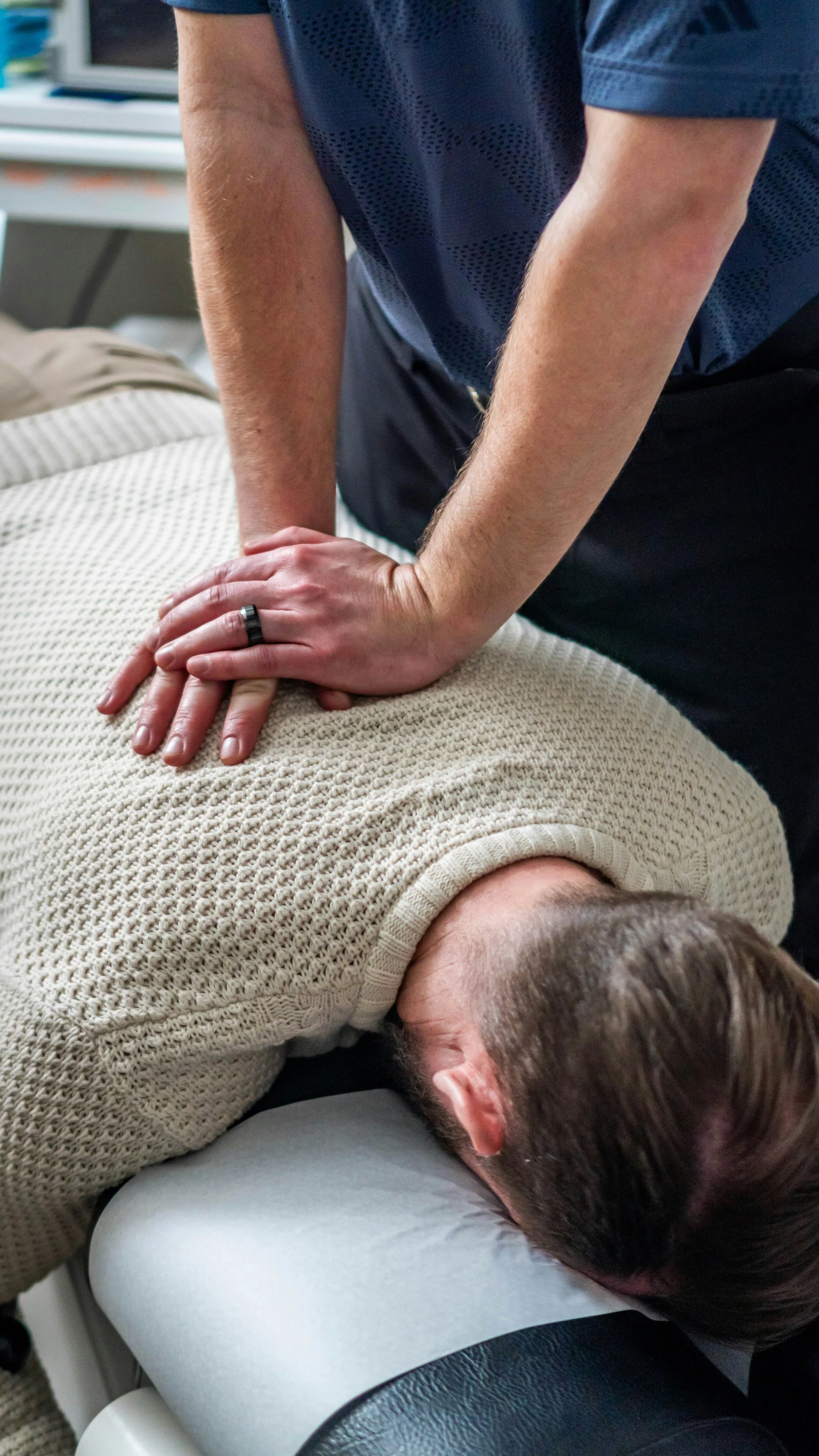
If your pain is persistent, severe or affecting daily life, osteopathic care can help. Our experienced osteopaths use gentle, hands-on techniques to ease discomfort and improve movement, supporting a faster recovery and reducing the risk of recurrence.
How osteopathy helps with back pain
Osteopaths are trained to assess and treat musculoskeletal pain holistically. Treatment is always tailored to your individual needs, age and diagnosis. Common techniques may include:
- Soft tissue massage to relieve muscular tension
- Gentle joint mobilisation or stretching to restore movement
- Spinal manipulation to free restricted joints, where you may hear a click
- Postural and ergonomic advice
- Targeted exercise programmes for strength and flexibility
We may also assess related areas such as the hips, pelvis or neck, especially if they are contributing to your symptoms.
Evidence-based treatment you can trust
Osteopathy is supported by strong clinical evidence, particularly for sub-acute and chronic low back pain. The National Institute for Health and Care Excellence (NICE) recommends manual therapies, including osteopathy, as effective options for managing lower back pain.
Reference: Palmer, K. T., Walsh, K., Bendall, H., Cooper, C., & Coggon, D. (2000). Back pain in Britain. BMJ, 320(7249), 1577-1578.